Do I Need A Breast Pump?!
“I’m expecting my baby soon. Do I need to buy a breast pump?”
Many expectant mothers feel pressure to purchase a breast pump before their baby arrives.
Social media is filled with images of freezers stocked with large volumes of pumped milk. It’s easy to walk away feeling like this is something you should be doing too.
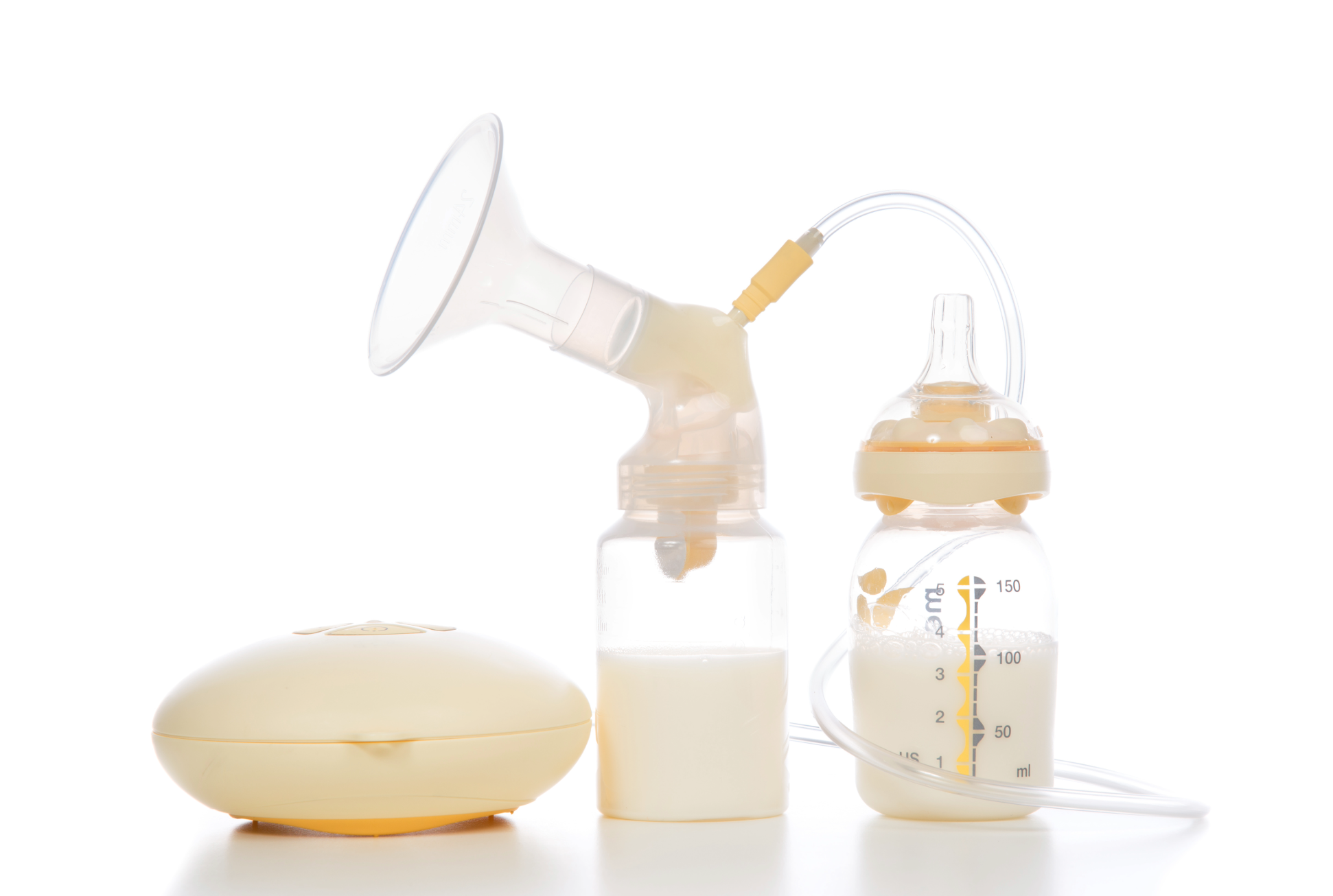
The Reality Is—You May Not Need A Breast Pump Right Away
There is certainly more choice in the breast pump market than ever before. Parents can select a pump that fits their lifestyle and needs. However, finding the right pump can take some trial and error, which can make it a significant investment.
In my practice, I’ve met many parents who started with a second-hand pump and later needed to purchase a different one that worked better for them.
It’s important to know that most personal-use breast pumps are designed for a single user. Only hospital-grade pumps are intended for multiple users, as they have closed systems that help prevent milk contamination. Standard pumps also wear out over time, so when using a second-hand pump, you may not know whether it is functioning optimally.
Another factor to consider is single versus double pumping. Research suggests that double pumping can improve efficiency and may increase milk output, while also saving time.
What About Wearable Breast Pumps?
Some lactation consultants have observed that certain wearable pumps may result in lower milk output for some women compared to traditional electric pumps. This may relate to differences in suction strength, fit, or how the pump is used. Research in this area is still evolving, and experiences can vary.
You Don’t Have To Pump To Breastfeed
It’s important to know that using a breast pump is not a requirement for successful breastfeeding.
Breastfeeding works through a dynamic relationship between a mother and her baby. When a baby feeds effectively at the breast, their feeding cues and milk removal help regulate milk production over time.
This process is supported by hormones—prolactin, which drives milk production, and oxytocin, which helps release milk. These hormones respond to your baby’s feeding at the breast, helping your body adjust to meet your baby’s needs.
In many cases, this natural feedback system supports a milk supply that meets a baby’s needs without the need for pumping or building a stored supply.
For families who are able to feed directly at the breast and remain together most of the time, it is completely normal to breastfeed without ever using a pump.
Your body and your baby are designed to work together—and with the right support, that relationship is often enough.
What About Renting a Breast Pump?
It’s important to know that hospital-grade breast pumps are often available for rent.
In the Edmonton area, many pharmacies offer breast pump rental programs, and some public health clinics may loan pumps for a limited period of time.
This can be an excellent option, especially in the early weeks. Hospital-grade pumps are designed for frequent use and are often more effective at establishing and maintaining milk supply than standard personal-use pumps.
When renting, you are provided with your own personal attachment kit, so there is no need to be concerned about milk contamination.
It’s also worth remembering that breast pumps are a relatively modern tool. They are not necessary for successful breastfeeding in all situations—but they can be incredibly helpful in certain circumstances, such as building supply, returning to work, or being separated from your baby.
If you choose to purchase a breast pump, you can begin to familiarize yourself with it toward the end of pregnancy (after 37 weeks, unless you have been advised otherwise by your healthcare provider). Learning how to use your pump ahead of time can make the early postpartum period feel less overwhelming.
Lactation consultants can support you in choosing a pump, learning how to use it, and ensuring proper flange fit—one of the most important factors for both comfort and effective milk removal.
Do you actually need a breast pump?
You may benefit from having a breast pump if:
You plan to return to work or be separated from your baby
You want flexibility with feeding
You have been advised to support or increase your milk supply
Your baby is having difficulty feeding effectively at the breast
You would like your partner or another caregiver to help with feeding
Ultimately, the decision to purchase a breast pump depends on your individual goals, lifestyle, and circumstances. You don’t need to have everything figured out before your baby arrives—but you do deserve the right support when the time comes.
Every feeding journey looks a little different. If you’d like guidance tailored to you and your baby, support is available.